About Wordshade
A guess the word game shaped by visual pressure, missing letters, and fast rounds.
What kind of game is Wordshade?
Wordshade is a fast guess the word game built around missing letters, timed rounds, and visual challenges. The format starts simple on purpose: you see a masked word, think through the answer, and try to complete it before the round ends.
The rules stay easy to understand, which makes the game quick to start and easy to return to. Wordshade can work as a short daily word game when you want a brief session, and it can also support longer runs as you move deeper into the level set.
But the simplicity is only the starting point.
Why it feels different from a standard word puzzle
Most word games ask players to solve a puzzle on a stable screen.Wordshade keeps the same basic idea, then changes the feel of the round by introducing controlled visual pressure.
Instead of making the game messy, the visual layer is there to make each answer feel less automatic. The goal is to keep the word guessing format from feeling dull while using the smallest possible changes to create the greatest possible pressure. You still need vocabulary, pattern recognition, and speed, but you also need to trust what you are seeing. That balance between readability and pressure is a big part of what makes Wordshade stand out.
The visual effects that shape each round
Wordshade becomes more interesting as different visual effects begin to change how each puzzle appears on screen. The word guessing format stays simple, but each effect pushes attention, confidence, and perception in a different direction.
Normal
Normal is where every run begins. The puzzle is clean, stable, and easy to read, which makes it the baseline for everything that follows.
It gives players a clear first look at the missing-letter format before the visual challenge begins to shift the rhythm of the game.

Wave
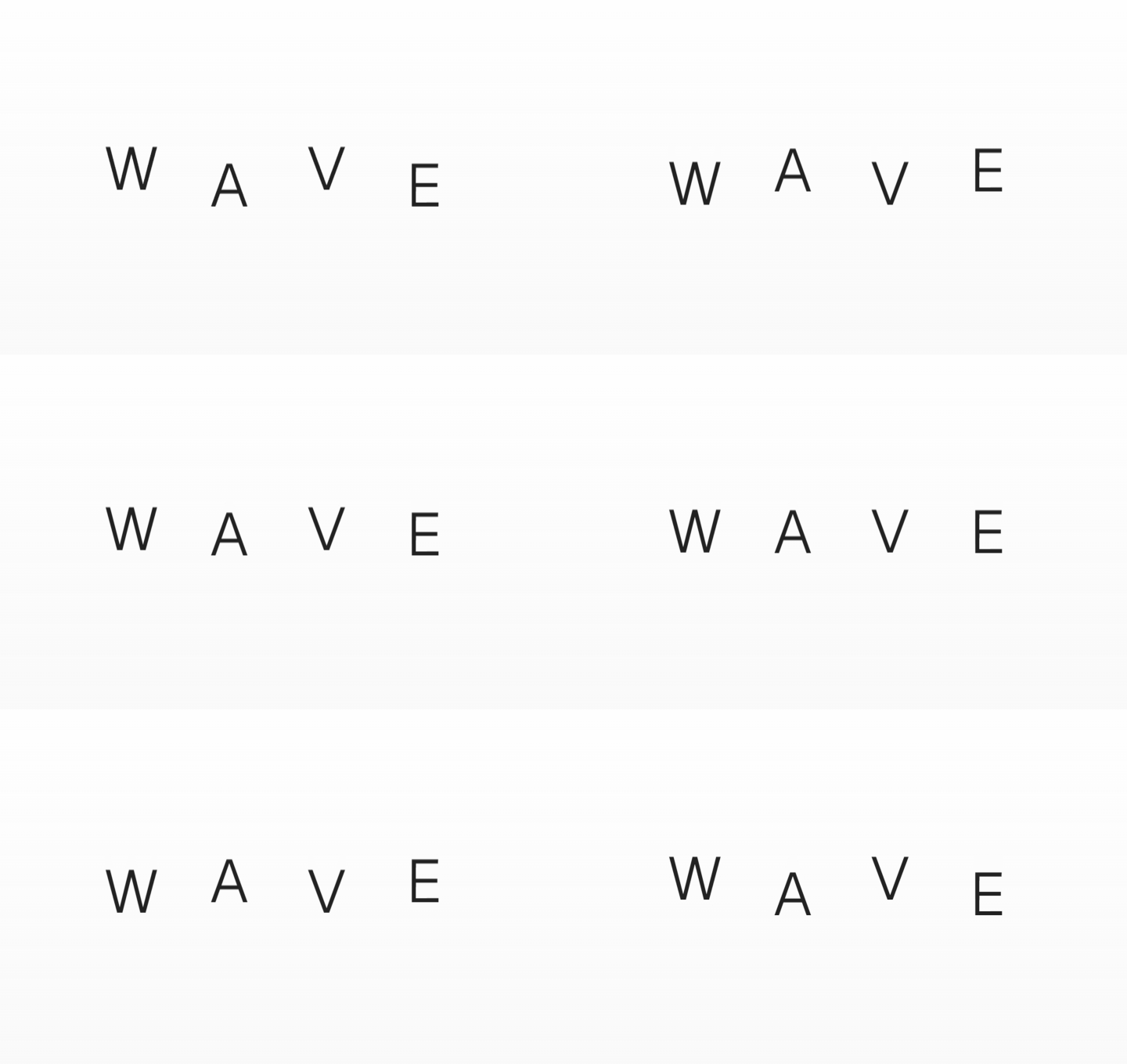
Wave keeps the puzzle readable but adds a softer sense of motion to the screen. It makes the round feel less static without turning it into noise.
The effect is subtle, but it changes the pace of how players lock onto the answer and keeps the puzzle from feeling flat.
Camouflage
Camouflage is where the game starts to feel less neutral. The letters are still there, but the screen begins to resist quick recognition.
This effect makes players pause, focus harder, and trust their reading under light pressure.

Coin
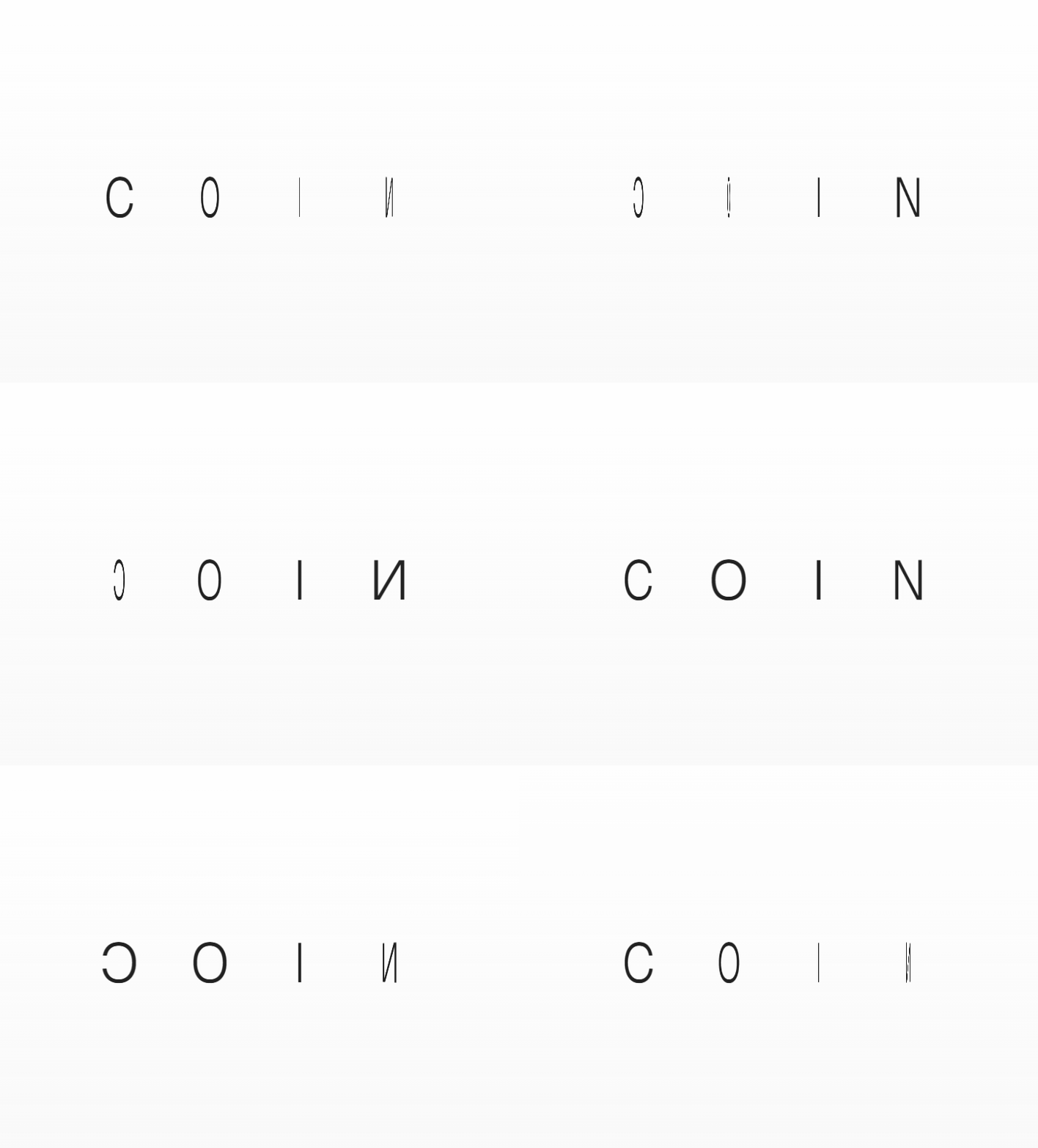
Coin adds movement to the puzzle without breaking readability. It makes the round feel livelier and a little less stable at first glance.
The effect stays simple, but it starts to challenge how quickly players can settle on the answer.
Reverse Coin
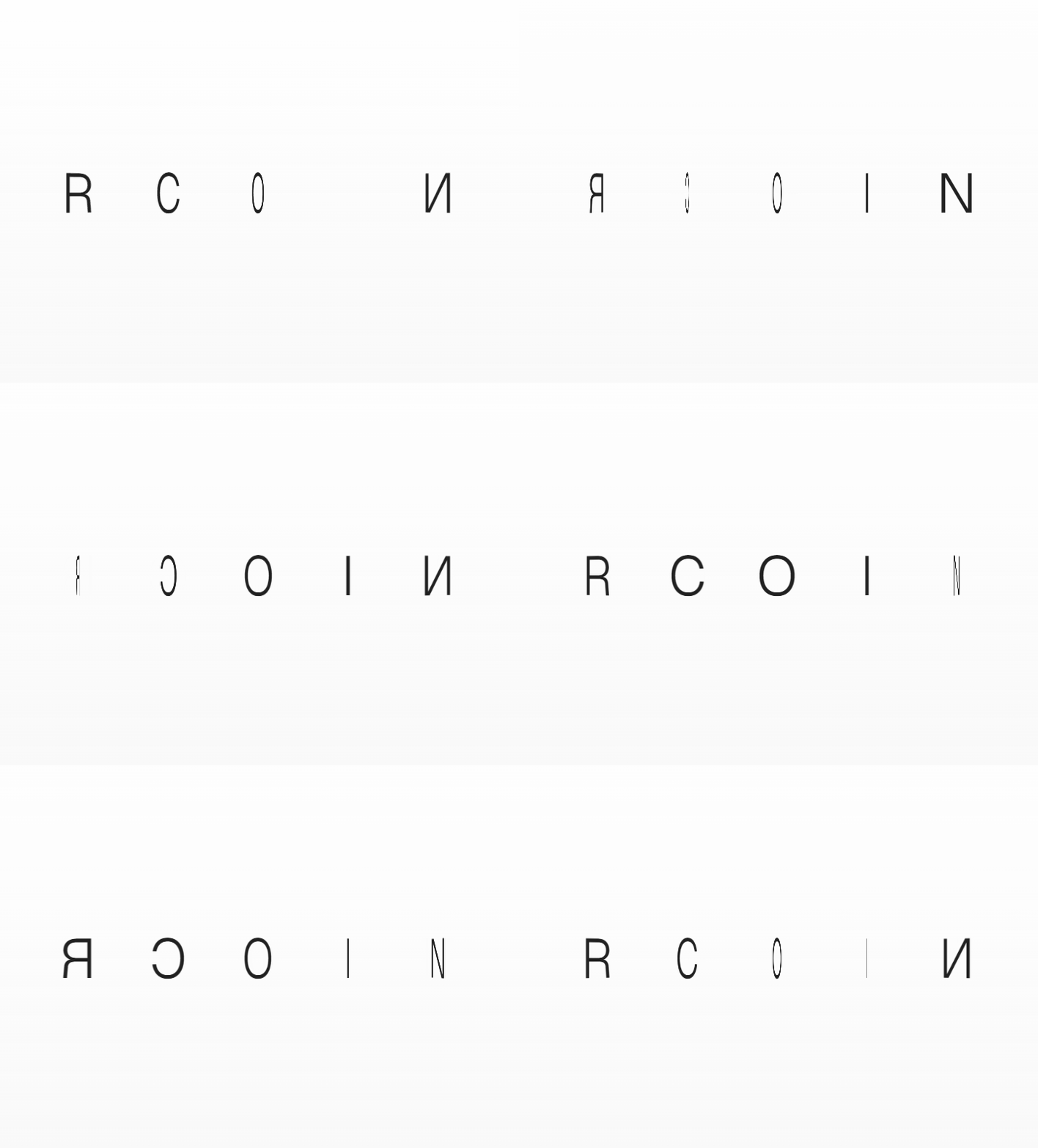
Reverse Coin is the flipped version of Coin. Because the motion runs in the opposite direction, it feels less natural to most players at first glance.
It is a stronger version of the same idea: small visual interference, bigger recognition pressure.
Vanish
Vanish adds a more fragile feeling to the puzzle. The challenge is no longer just about recognizing the word quickly, but also about holding onto what you saw before it slips away.
It creates tension without needing to clutter the whole screen.

Reversed
Reversed changes the directional feel of the puzzle and makes familiar word shapes feel less automatic. Players still work inside the same guess the word format, but the answer no longer settles into place as comfortably as it did before.
That single shift is often enough to make the round feel much more demanding without changing the core rules at all.

Mirror
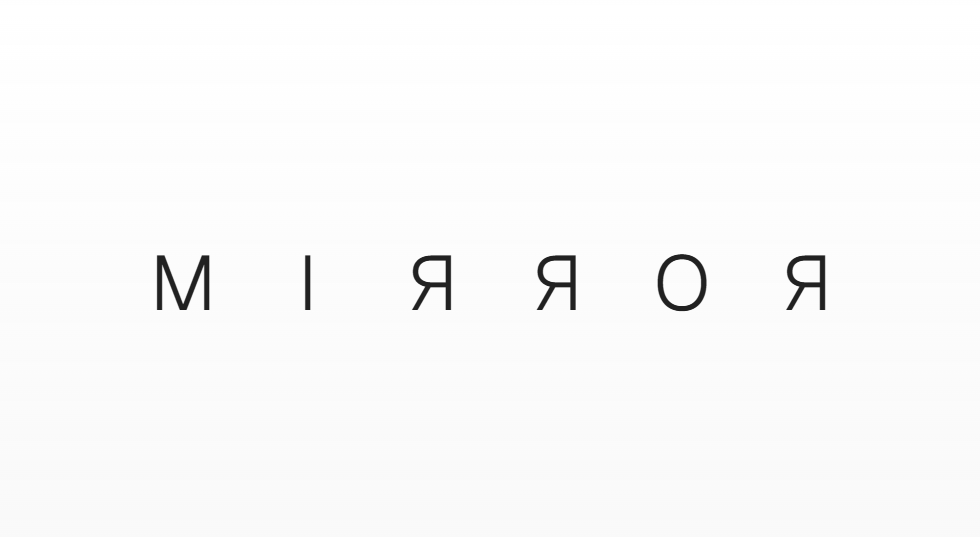
Mirror pushes the visual challenge into a stranger and more disorienting space. It asks players to stay calm, keep reading carefully, and trust pattern recognition even when the puzzle looks less natural than usual.
This is one of the effects that most clearly shows how Wordshade can stay readable while still becoming much more demanding.
Our visual challenges go much further than this. We also combine different visual difficulty layers to create stranger and more demanding rounds that can genuinely open up what a word guessing game can feel like. If you want to see more, try the game itself.
Three background tracks, three different moods
Wordshade also includes three optional background tracks. Each one changes the mood of the session in a different way. One feels more spacious and cinematic. One is quieter and calmer, making it easier to stay with the puzzle for longer sessions. One adds a gentler pulse that helps the game feel more alive without distracting from the answer on screen.
The goal is not to overpower the gameplay with sound. The music is there to support focus, pacing, and atmosphere.
Built to stay fresh
Wordshade is still in beta, and the game will continue to grow. More puzzle sets, more challenge ideas, and more visual variations are planned over time.
Its larger word pool and evolving set of visual challenges are meant to keep the experience from going stale. Whether players come back for a quick daily session or stay for a deeper run, Wordshade is designed to keep feeling fresh, strange, and rewarding.